Seasonal Allergies: Symptoms, Causes, and When to See a Doctor
A patient-friendly guide to seasonal allergies, common triggers, symptom relief options, and when to get medical help.
Disclaimer: This article is for educational purposes only and is not medical advice. If you have symptoms or health concerns, talk with a qualified clinician.
Seasonal allergies — often called hay fever or allergic rhinitis — affect tens of millions of people. They happen when your immune system treats harmless airborne particles (like pollen) as threats, triggering a cascade of symptoms that can make everyday life uncomfortable.
The good news: most seasonal allergy symptoms are manageable with the right strategies.
Quick takeaways
- Seasonal allergies are triggered by outdoor allergens like tree, grass, and weed pollen — and the season depends on the plant.
- Common symptoms include sneezing, a runny or stuffy nose, itchy or watery eyes, and fatigue.
- Over-the-counter antihistamines, nasal sprays, and avoidance strategies can reduce symptoms for many people.
- Allergies and sinus infections can look similar — key differences include fever, colored mucus, and facial pain (more common in infections).
- See a doctor if symptoms are severe, not improving with OTC options, or significantly affecting sleep or quality of life.
What are seasonal allergies?
Seasonal allergies are an immune response to outdoor allergens that appear at certain times of year. When you inhale pollen (or other airborne triggers), your immune system may release histamine, which causes the familiar allergy symptoms — sneezing, runny nose, itchy eyes, and more.
The condition is medically called allergic rhinitis when it affects the nasal passages, and allergic conjunctivitis when it affects the eyes.
For a general overview, see the ACAAI hay fever resource.
What triggers seasonal allergies?
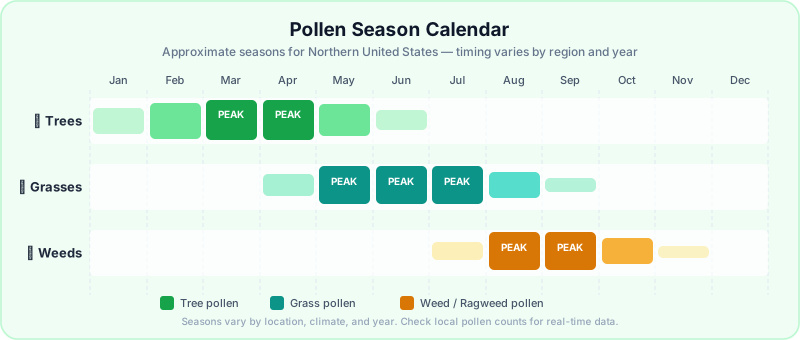
Tree pollen (late winter to spring)
Trees like oak, birch, cedar, maple, and elm release large amounts of pollen in late winter and spring. This is often the first allergy season of the year.
Grass pollen (late spring to summer)
Grasses including timothy, Kentucky bluegrass, and Bermuda grass pollinate from late spring through early summer. This is one of the most common allergy triggers.
Weed pollen (late summer to fall)
Ragweed is the biggest culprit in late summer and fall across much of the US, affecting roughly 15% of Americans. Mugwort and other weeds also contribute.
Mold spores
Outdoor molds peak in warm, humid weather and after rain. Mold can also cause year-round (perennial) symptoms in some people.
For regional pollen data, see the AAFA Allergy Capitals report.
Common symptoms
Seasonal allergy symptoms typically affect the nose, eyes, throat, and sinuses:
- Sneezing (often repetitive, especially in the morning)
- Runny nose — usually clear or watery
- Nasal congestion (stuffy nose)
- Itchy nose, eyes, throat, or ears
- Watery, red, or puffy eyes (allergic conjunctivitis)
- Postnasal drip — mucus draining down the throat
- Cough from postnasal drip
- Fatigue — "allergy fog" from inflammation and disrupted sleep
- Reduced sense of smell during flares
Symptoms are often worse in the morning (peak pollen time), on windy days, and after outdoor activity. Rainy days often bring temporary relief.
How are seasonal allergies diagnosed?
Diagnosis is often clinical — a doctor will ask about your symptoms, when they occur, and what seems to make them better or worse. Sometimes allergy testing is done to identify specific triggers:
- Skin prick test — small amounts of allergens are placed on the forearm to check for reactions
- Blood test (specific IgE) — measures immune response to specific allergens
Knowing your specific triggers helps you plan avoidance strategies and time medication use.
For more information, see the NIAID overview of allergic diseases.
What can help (overview)
This is a general overview — the best plan depends on your specific triggers, symptom severity, and other health factors. Talk with a clinician before starting new medications.
Avoidance strategies
- Check pollen counts (weather apps or airnow.gov) and limit outdoor time on high-pollen days
- Keep windows closed during high-pollen periods and use air conditioning
- Shower after being outdoors to wash pollen off skin and hair
- Change clothes after spending time outside
- Wear sunglasses outdoors to reduce eye exposure to pollen
Over-the-counter options
Many people find relief with OTC allergy medications. A pharmacist or clinician can help you choose:
- Oral antihistamines — non-drowsy second-generation options (cetirizine, loratadine, fexofenadine) are commonly used. First-generation antihistamines (diphenhydramine) can cause significant drowsiness.
- Nasal antihistamine sprays — work directly in the nasal passages
- Intranasal corticosteroid sprays — often considered highly effective for nasal symptoms; typically work best with consistent daily use
- Decongestants — may relieve nasal congestion short-term; oral decongestants are not appropriate for everyone (check with a clinician if you have high blood pressure or heart conditions)
- Eye drops — antihistamine or mast-cell stabilizer drops can relieve itchy, watery eyes
For more detail, see the ACAAI treatment overview.
Prescription options
If OTC approaches are not providing adequate relief:
- Stronger or combination nasal sprays
- Prescription antihistamines
- Allergen immunotherapy (allergy shots or sublingual drops/tablets) — a longer-term approach that can reduce sensitivity to specific allergens over time
Seasonal allergies vs. a cold vs. sinus infection
These conditions can look very similar. Here is a rough guide:
Seasonal allergies typically:
- Come on quickly after allergen exposure
- Last as long as the season or allergen is present
- Cause clear, watery mucus
- Cause itching (nose, eyes, throat)
- Do not cause fever
A cold typically:
- Develops over 1–2 days and improves within 7–10 days
- Causes thick, colored mucus as it progresses
- May cause a low-grade fever
- Does not cause significant itching
- Can cause body aches
A sinus infection (sinusitis) typically:
- May follow a cold or allergy flare
- Causes pressure or pain around the forehead, cheeks, or eyes
- Causes thick, yellow-green nasal discharge
- May cause fever
- Can cause facial tenderness and a reduced sense of smell
See a clinician if you are unsure — especially if symptoms are severe, unusual, or not responding to typical treatments.
When to see a doctor
Consider seeking medical care if:
- Symptoms are severe or significantly disrupting sleep, school, or work
- OTC medications are not providing adequate relief after consistent use
- You experience wheezing, shortness of breath, or chest tightness (this may suggest asthma, which commonly occurs alongside allergies)
- You develop facial pain or pressure, fever, or thick colored mucus (which may suggest sinusitis)
- Your symptoms are year-round, not just seasonal
- You want to explore allergy testing or immunotherapy
- You are pregnant or planning to become pregnant and need guidance on safe allergy management
An allergist, otolaryngologist (ENT), or primary care provider can help confirm your triggers and develop a personalized treatment plan.
Managing allergy season day-to-day
Small habits can make a meaningful difference:
- Start medications early — beginning intranasal corticosteroid sprays a week or two before your typical allergy season often improves effectiveness
- Use HEPA filters at home to reduce indoor allergen levels
- Rinse nasal passages with saline — some people find this helps clear pollen and mucus
- Track your symptoms in an app or journal to identify patterns and peak triggers
- Communicate with your employer or school if allergy season significantly affects your functioning
Related reads
- If you are unsure whether your symptoms are allergies or a sinus infection, see our comparison guide: Sinus Infection vs. Allergies: How to Tell the Difference
- Skin rashes from allergic contact can also occur — see Contact Dermatitis: Triggers, Symptoms, and Relief
References
- American College of Allergy, Asthma & Immunology (ACAAI). Hay Fever (Allergic Rhinitis): https://acaai.org/allergies/allergic-conditions/hay-fever/
- Asthma and Allergy Foundation of America (AAFA). Allergic Rhinitis: https://www.aafa.org/allergic-rhinitis/
- National Institute of Allergy and Infectious Diseases (NIAID). Allergic Diseases: https://www.niaid.nih.gov/diseases-conditions/allergic-diseases
- American Academy of Allergy, Asthma & Immunology (AAAAI). Rhinitis (Nasal Allergies): https://www.aaaai.org/tools-for-the-public/allergy,-asthma-immunology-glossary/rhinitis-defined
- MedlinePlus. Hay Fever: https://medlineplus.gov/hayfever.html
- CDC. Allergies: https://www.cdc.gov/niosh/topics/allergies/