Eczema vs. Dry Skin: Signs, Triggers, and Basic Care
How to recognize eczema vs. dry skin, common triggers, and gentle skin care basics (educational only).
Disclaimer: This article is for educational purposes only and is not medical advice. If you have symptoms or concerns, talk with a qualified clinician (especially a board-certified dermatologist).
Dry, flaky skin is common — especially in winter or after long, hot showers. But sometimes "dry skin" is actually eczema (often atopic dermatitis), which is a chronic inflammatory skin condition.
This guide explains how eczema and dry skin differ, what commonly triggers flares, what gentle routines can help, and when it is worth getting medical care.
Quick takeaways
- Dry skin is often a temporary problem caused by weather, harsh soaps, or long hot showers.
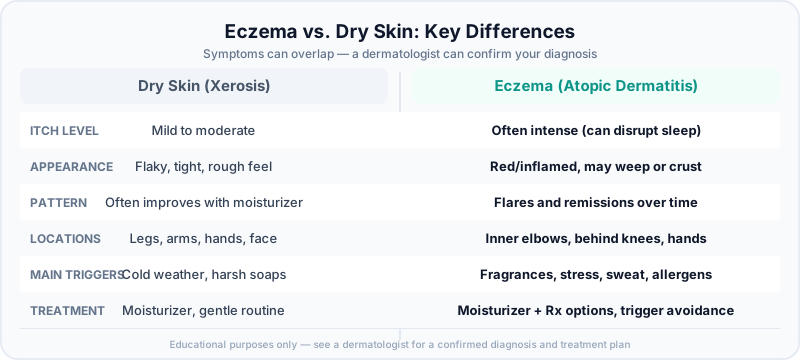
- Eczema tends to be itchier, can come and go in flares, and may show redness/inflammation and thicker or cracked skin.
- Keeping the skin barrier moisturized is helpful for both. Dermatologists often recommend fragrance-free creams or ointments rather than lotions.
- If you have severe itch, sleep disruption, frequent flares, skin infections, or symptoms that do not improve with basic care, it is time to see a clinician.
Eczema vs. dry skin: what's the difference?
Dry skin (xerosis)
"Dry skin" usually means the outer layer of skin does not hold onto enough moisture. Many people get dry skin due to seasonal changes, low humidity, frequent washing, or irritating products.
Eczema (atopic dermatitis)
Atopic dermatitis is the most common type of eczema. It causes itchy, dry, inflamed skin, often starting in childhood, but it can begin at any age. It is not contagious.
The American Academy of Dermatology (AAD) explains that atopic dermatitis is a chronic condition that can flare and improve over time. The key is learning your triggers and supporting the skin barrier with consistent skin care (AAD overview: Atopic dermatitis).
Signs that point more toward eczema
Dry skin and eczema can overlap, but these features make eczema more likely:
- Intense itch (sometimes the main symptom)
- Redness or inflammation (may look red, pink, violet, gray, or brown depending on skin tone)
- Recurring flares in the same areas
- Rough, thickened skin (from chronic irritation or scratching)
- Cracks, weeping, or crusting (especially during flares)
- History of asthma or allergies, or a family history of atopic conditions (common but not required)
If you are also dealing with scalp flakes or oily scaling, that may be a different condition, such as seborrheic dermatitis (coming soon).
Where eczema commonly shows up
Eczema can appear anywhere, but common patterns include:
- Hands (especially with frequent handwashing or "wet work")
- Inner elbows and behind the knees
- Face and neck (more common in children)
- Eyelids
The AAD has photos and location patterns here: Atopic dermatitis symptoms.
Common triggers (for both dry skin and eczema)
These do not cause eczema in everyone, but they are frequent flare triggers:
- Cold, dry weather and low humidity
- Hot showers and long baths
- Harsh soaps or fragranced products
- Frequent handwashing without moisturizing afterward
- Scratchy fabrics (like some wool)
- Stress (can worsen itch-scratch cycles)
- Sweat and heat
For some people, allergens or irritants from skincare, detergents, or workplace exposures can trigger an eczema-like rash. That can overlap with contact dermatitis (AAD overview: Contact dermatitis).
Gentle routine that usually helps
1) Switch to a mild cleanser
- Look for fragrance-free and gentle (sometimes labeled "for sensitive skin").
- Avoid scrubs, strong acids, and heavily scented body washes during flares.
2) Moisturize consistently (the "repair the barrier" step)
Dermatologists often recommend creams or ointments for eczema-prone skin because they are more occlusive than lotions.
A common strategy is the "soak and seal" approach: moisturize right after bathing while skin is still slightly damp.
AAD guidance on moisturizer and flares: How to reduce eczema flares with moisturizer.
3) Keep showers short and lukewarm
- Aim for shorter showers.
- Use lukewarm rather than hot water.
4) Protect your hands
If your hands flare:
- Moisturize after washing.
- Consider gloves for dishwashing and cleaning.
- Use gentle, fragrance-free hand soap.
5) Do not ignore itch
Scratching can worsen inflammation and damage the skin barrier, which can lead to more itching.
If itch is intense or persistent, it is worth discussing options with a clinician rather than "toughing it out."
What about over-the-counter hydrocortisone?
Some people use OTC hydrocortisone for short-term relief of mild inflammation, but it is not appropriate for everyone (and not for every location, such as eyelids, without medical guidance). If you find yourself needing steroid creams frequently, or if the rash is spreading or worsening, seek professional advice.
When to see a clinician
Consider medical care if you have:
- Symptoms lasting more than 2–3 weeks despite gentle skin care
- Severe itch or sleep disruption
- Signs of infection (increasing pain, warmth, pus, fever, honey-colored crusting)
- Widespread rash, facial involvement, or eyelid involvement
- Frequent flares that keep returning
A dermatologist can confirm the diagnosis (eczema vs. contact dermatitis vs. psoriasis vs. other causes) and discuss treatment options.
Related reads
- Psoriasis vs. Eczema: How They Differ (and Why It Matters) — key differences and when to get evaluated
- Contact Dermatitis: Triggers, Symptoms, and What Can Help — irritant vs. allergic triggers
References
- American Academy of Dermatology (AAD). Atopic dermatitis (eczema) overview: https://www.aad.org/public/diseases/eczema/types/atopic-dermatitis
- AAD. Atopic dermatitis symptoms: https://www.aad.org/public/diseases/eczema/types/atopic-dermatitis/symptoms
- AAD. How to reduce eczema flares with moisturizer: https://www.aad.org/public/diseases/eczema/insider/moisturizer-reduce-flares
- AAD. Contact dermatitis overview: https://www.aad.org/public/diseases/eczema/types/contact-dermatitis
- National Eczema Association. What is eczema? https://nationaleczema.org/eczema/